Care in pregnancy
Chinese medicine in pregnancy: care alongside antenatal checks
Discuss pregnancy discomfort, appetite and sleep with Elizabeth Yau. TCM options need individual review of gestation, medication and antenatal findings alongside maternity care.
When people come in
- Questions about discomfort in pregnancy
- Changes in sleep, appetite or daily routines
- Coordinating TCM with maternity care
The TCM view of care during pregnancy
Herbs and acupuncture points carry strict cautions in pregnancy. Care puts food, rest and safety first, and follows the gestation and the advice of your maternity team.
Common patterns
Weak Spleen and Stomach
Nausea, poor appetite, tiredness
Liver–Stomach disharmony
Sour vomiting, rib-side fullness, tension
Yin and Blood insufficiency
Dry mouth, poor sleep, restlessness
Patterns are identified by a practitioner through all four examinations. They are here to explain the thinking, not for self-diagnosis.
The medical view
Symptoms need to be considered in the context of your pregnancy and obstetric history. Complementary care does not replace antenatal checks, fetal assessment or prescribed treatment. Not every herb or treatment is suitable during pregnancy.
Contact your maternity team or emergency service for bleeding, significant pain, reduced fetal movements or sudden concerning symptoms.
What the consultation covers
Gestation, antenatal findings, history and medication guide the consultation. Food, rest and supportive options are discussed individually, with qualified assessment and communication with your maternity team.
Consider symptoms in the context of your pregnancy
Appetite and sleep: explain the severity
Describe not just the symptom but its severity, such as whether nausea prevents eating or drinking, or pain interrupts sleep. Similar complaints can need different responses. Significant difficulty keeping food or fluids down, or new concerning symptoms, should be discussed with your maternity team first.
Antenatal appointments remain essential
Continue antenatal checks and share relevant findings or precautions. Pulse and tongue assessment are traditional tools; they cannot establish fetal wellbeing or exclude pregnancy complications. Bleeding, pain or concerns about movement should follow maternity guidance rather than wait for a TCM appointment.
Pregnancy support starts with individual safety review
Food and rest: fit advice to your circumstances
Discuss meals, bowel comfort, sleep and what is practical at home or work while following maternity advice. Avoid broad food restrictions based only on traditional hot or cold labels. Specific nutritional or medical needs should continue to be managed with the appropriate clinical team.
Acupuncture and herbs: review changes as they occur
The same treatment is not suitable for every pregnancy. Gestation, history, prescriptions and current findings shape the discussion. A product used before pregnancy is not automatically appropriate now. Share supplements and herbal products, avoid reusing an old prescription and do not treat “natural” as a safety guarantee.
What to bring
- Gestation, due date and antenatal information
- Medication and supplements
- Advice from your maternity team
Discuss the next step for your circumstances
To discuss your symptoms and suitable support, gather your history, medication and available findings, then contact Elizabeth Yau through WhatsApp. In-person consultations are in Central; online consultation can also be discussed. Arrange physical examination or medical follow-up where needed.
You may also want to read: Support alongside IVF & IUI · Care after pregnancy loss · Postpartum care
Questions
Are natural herbs always safe?
No. Natural does not mean safe in pregnancy. Avoid self-prescribing herbs.
Can an online consultation replace antenatal checks?
No. It cannot provide scans, fetal monitoring or a full physical examination.
Can I take herbal products for pregnancy nausea myself?
Do not self-prescribe. Gestation, severity and medication need review. If vomiting affects eating or drinking, contact your maternity team first.
Should my maternity clinician know about acupuncture?
Share planned and ongoing complementary care with your maternity clinician, and give the practitioner your obstetric precautions.
What information helps at the first pregnancy visit?
Bring gestation, due date, antenatal findings, medicines, supplements and relevant history, plus the symptoms you most want to discuss.
Related reading
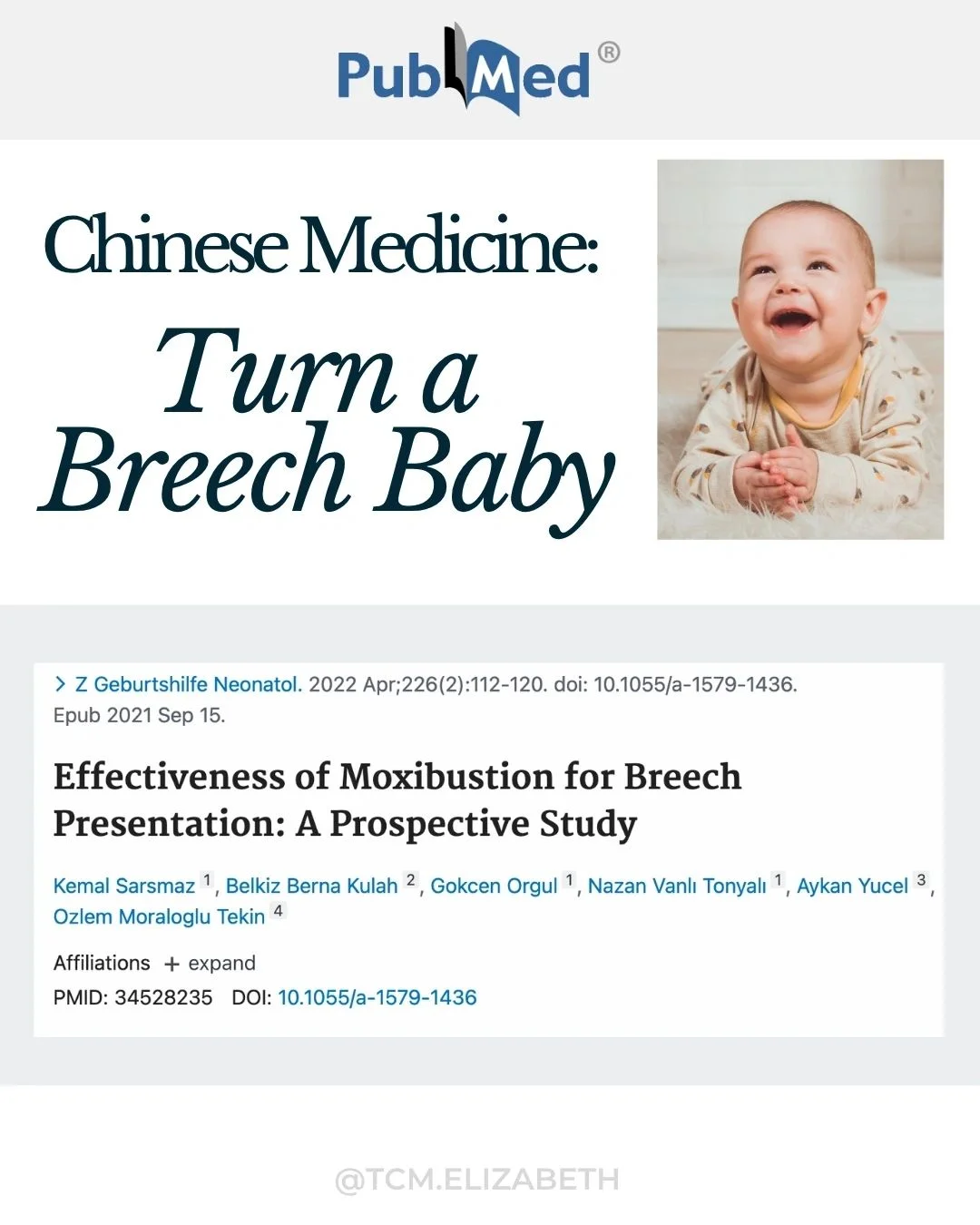
Research: Turn a Breech Baby with Moxibustion
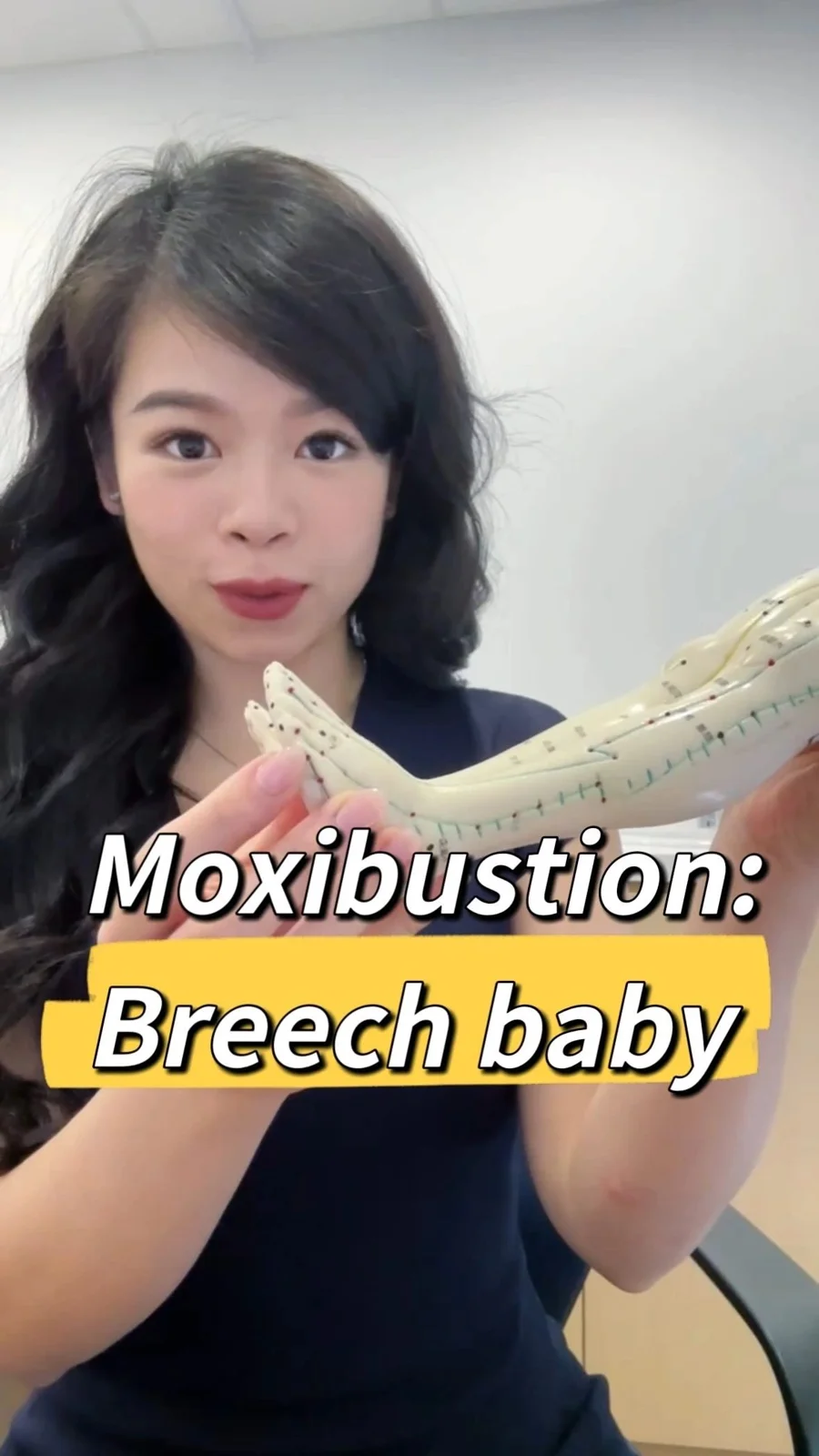
Turn a Breech Baby using Moxibustion & Acupuncture
• Qi & Blood Stagnation – Energy is stuck in the lower abdomen, restricting movement.
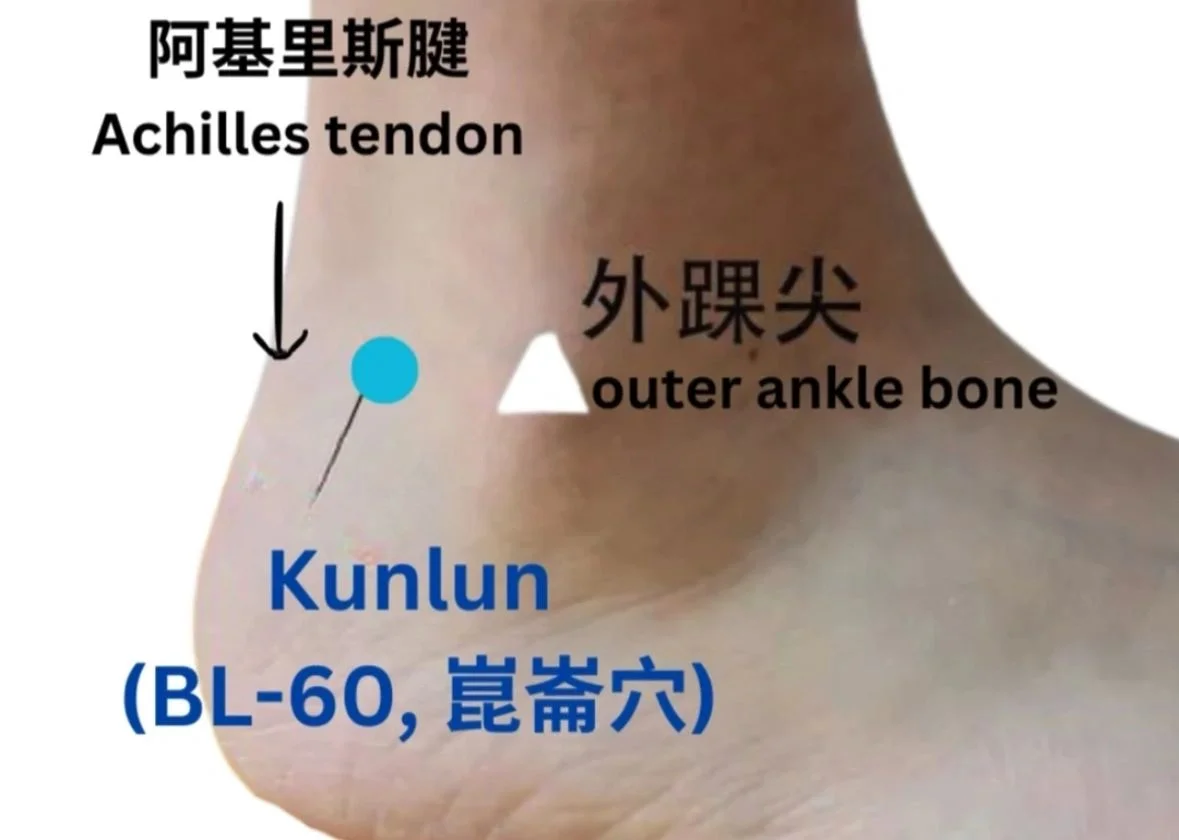
Pregnancy Forbidden Points
If these points are accidentally stimulated, the effect will depend on the intensity of the pressure and the individual’s condition.