Postpartum recovery
Postpartum care: Chinese medicine support after birth
Postpartum TCM support with Elizabeth Yau. Discuss recovery, feeding, food and rest after vaginal or caesarean birth, alongside your postnatal follow-up.
When people come in
- Fatigue, interrupted sleep and changing routines
- Questions about herbs while breastfeeding
- Practical support for recovery
The TCM view of postpartum care
Chinese medicine describes the postpartum body as both depleted and in need of clearing. Recovery is planned around the birth and how you are feeding.
Common patterns
Qi and Blood depletion
Exhaustion, dizziness, low milk supply
Unresolved stasis
Sluggish lochia, lower abdominal pain
Liver Qi constraint
Low mood, breast distension
Patterns are identified by a practitioner through all four examinations. They are here to explain the thinking, not for self-diagnosis.
The medical view
Recovery has no single timetable. Wounds, bleeding, nutrition, emotional health and feeding all matter. Feeding or breast concerns may also need a midwife, doctor or lactation professional.
Heavy bleeding, fever, chest pain, breathing difficulty or thoughts of harming yourself or your baby need urgent medical help.
What the consultation covers
Birth and postnatal review details guide individual care. Practical rest, balanced meals and support at home are prioritised over rigid food restrictions or standard tonic lists.
Therapies that may be discussed: Herbal medicine, Moxibustion, Cupping
Start with birth recovery and feeding needs
Bleeding and wounds: notice changes over time
Recovery needs differ after vaginal and caesarean birth. Share birth information, bleeding and postnatal review plans. Increasing bleeding, worsening wound pain or fever should not be explained away as a tonic response. Follow the maternity team’s advice and make sure medical care is in place.
Feeding and herbs: consider mother and baby
Breastfeeding, mixed feeding or formula feeding affects routines and medication discussions. Share the baby’s circumstances and every product you are considering. Milk supply, breast pain or feeding difficulties may need lactation or medical support rather than a herbal drink alone.
Making postpartum care practical
Meals and rest: more tonics are not always better
Regular meals, hydration and help at home provide a useful starting point. Discuss appetite, bowel comfort and sleep before deciding on additional options. There is no tonic list for every mother, and confinement customs should not lead to excessive food restriction or conflict with medical advice.
Fatigue and mood: make room for support
Broken sleep can be exhausting, but persistent low mood, anxiety or difficulty coping deserves medical or midwifery support. Discuss practical help as well as physical symptoms. Marked or worsening fatigue may require medical assessment rather than being assumed to be ordinary postnatal weakness.
What to bring
- Birth history and postnatal review
- Feeding plans and medication
- Bleeding, wounds, sleep and mood concerns
Discuss the next step for your circumstances
To discuss your symptoms and suitable support, gather your history, medication and available findings, then contact Elizabeth Yau through WhatsApp. In-person consultations are in Central; online consultation can also be discussed. Arrange physical examination or medical follow-up where needed.
You may also want to read: Irregular periods · Preconception care · Care during pregnancy
Questions
Can I take herbs while breastfeeding?
Ingredients and individual circumstances need assessment. Do not assume a herbal product is safe because it is natural.
Is low mood after birth just tiredness?
Persistent low mood, anxiety or difficulty coping deserves early medical or midwifery support.
Is the same tonic suitable after every type of birth?
Not necessarily. Wounds, bleeding, appetite, prescriptions and feeding matter more than following a fixed list based on days since birth.
Is it too late to discuss recovery after confinement?
Support can be discussed according to current needs, not only during confinement. Persistent symptoms should also receive appropriate medical follow-up.
Do I need to induce periods while breastfeeding?
Feeding can affect the return of periods, but absent bleeding does not rule out pregnancy. Discuss feeding, contraception and health rather than self-prescribing herbs.
Related reading

6 Things I Want Women Aged 25–34 to Know: From a TCM Practitioner
Your 20s and early 30s are often considered a time when the body is naturally full of energy and vitality.

6 Things I Want Women Aged 35–44 to Know: From a TCM Practitioner
For many women, this is the stage where life becomes fuller — careers, relationships, family responsibilities, and personal goals all compete for attention. At the same time, the b
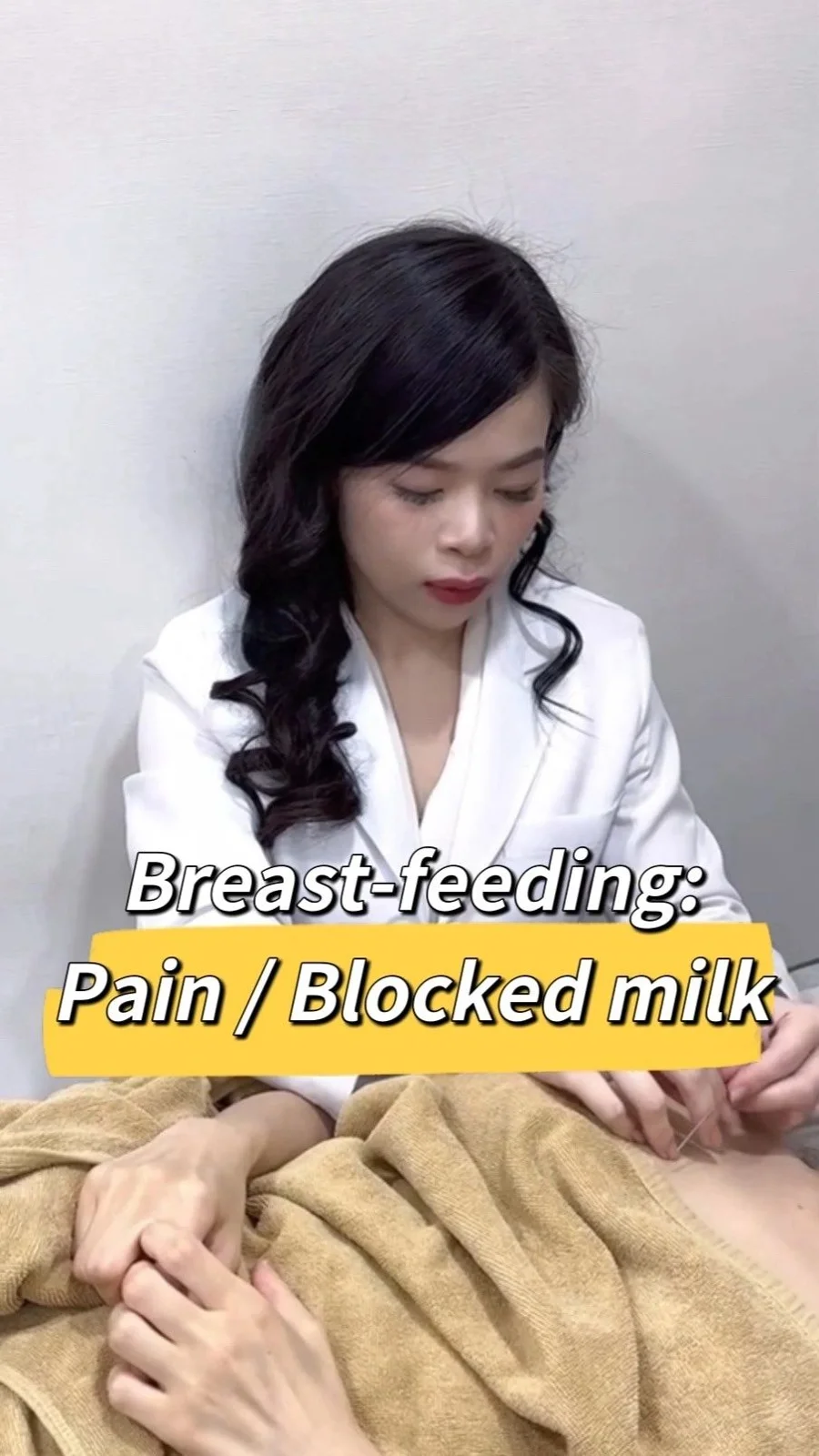
Breastfeeding Support: Managing Milk Blockage & Pain Naturally
💡 Most important: See a qualified TCM practitioner as early as possible. They can help you recover faster with safe, personalized treatments.