Around the menopause transition
Perimenopause: Chinese medicine support before periods stop
Changing cycles, hot flushes or sleep before periods stop? Discuss perimenopause with Elizabeth Yau, alongside appropriate medical assessment and treatment.
When people come in
- Changing periods with hot flushes or night sweats
- Changes in sleep or mood
- Questions about the menopause transition
The TCM view of perimenopause support
The Huangdi Neijing places the end of menstruation around seven times seven years, as the Kidney and the Ren and Chong vessels decline. The transition is read as yin and yang finding a new balance.
Common patterns
Kidney yin deficiency
Hot flushes, night sweats, dry mouth, insomnia
Kidney yang deficiency
Feeling cold, lower-back ache, puffiness
Heart and Kidney not communicating
Palpitations, restlessness, trouble falling asleep
Patterns are identified by a practitioner through all four examinations. They are here to explain the thinking, not for self-diagnosis.
The medical view
Perimenopause is an individual transition. Fatigue, palpitations or abnormal bleeding can also have other causes, so symptoms should not automatically be attributed to age.
What the consultation covers
Cycle and symptom changes guide discussion of sleep, food and TCM support. Care can sit alongside medical advice about hormonal or other treatments, according to your preferences.
Therapies that may be discussed: Acupuncture, Gua sha
Understanding the menopause transition
Symptoms can begin while you still have periods
Perimenopause can involve cycle changes, hot flushes, night sweats and sleep disturbance before periods stop. You do not need to wait for complete cessation to ask for support. The consultation starts with your pattern and priorities rather than drawing conclusions from age or one symptom alone.
Abnormal bleeding still needs attention
Cycle changes during the transition do not explain every bleeding pattern. Heavier bleeding, bleeding between periods or after sex should be discussed with a doctor. Fatigue, palpitations and sleep changes may also have other explanations that need consideration alongside complementary care.
Tailoring perimenopause support to your situation
Sleep and flushes: agree meaningful review points
Note when flushes or night sweats occur, whether they interrupt sleep and how you feel the next day. These details provide a clearer review focus than asking whether the transition is over. Discuss individual TCM options alongside the medical advice and treatments that suit you.
Contraception, HRT and herbs have different roles
Discuss contraception during the transition with your clinician; HRT and contraception are not interchangeable. Share every medicine and herb, especially after prescription changes. Complementary care should not become a reason to stop HRT, contraception or another prescribed treatment yourself.
What to bring
- Cycle, hot flush and night-sweat records
- Contraception, medication and investigations
- Your main sleep or daily-life concerns
Discuss the next step for your circumstances
To discuss your symptoms and suitable support, gather your history, medication and available findings, then contact Elizabeth Yau through WhatsApp. In-person consultations are in Central; online consultation can also be discussed. Arrange physical examination or medical follow-up where needed.
You may also want to read: Irregular periods · Menopause care · Early menopause concerns
Questions
Can I be perimenopausal while still having periods?
Yes. The transition can begin before periods stop. Assessment considers your symptoms and history.
Is TCM incompatible with HRT?
It needs individual review. Share all medication and herbs and do not stop prescribed treatment yourself.
Can I discuss TCM before my periods stop?
Yes. You can discuss current symptoms without waiting for periods to stop, while arranging medical assessment for abnormal bleeding or other concerns.
Can pregnancy still occur with irregular perimenopausal cycles?
It may still be possible. Discuss contraception with your clinician, and test for pregnancy when relevant rather than assuming a late period is due to perimenopause.
Is it useful to track flushes and sleep together?
Yes. Note whether night sweats wake you, how you sleep and next-day energy. Keep the record simple and focused on what matters to you.
Related reading

6 Things I Want Women Aged 35–44 to Know: From a TCM Practitioner
For many women, this is the stage where life becomes fuller — careers, relationships, family responsibilities, and personal goals all compete for attention. At the same time, the b
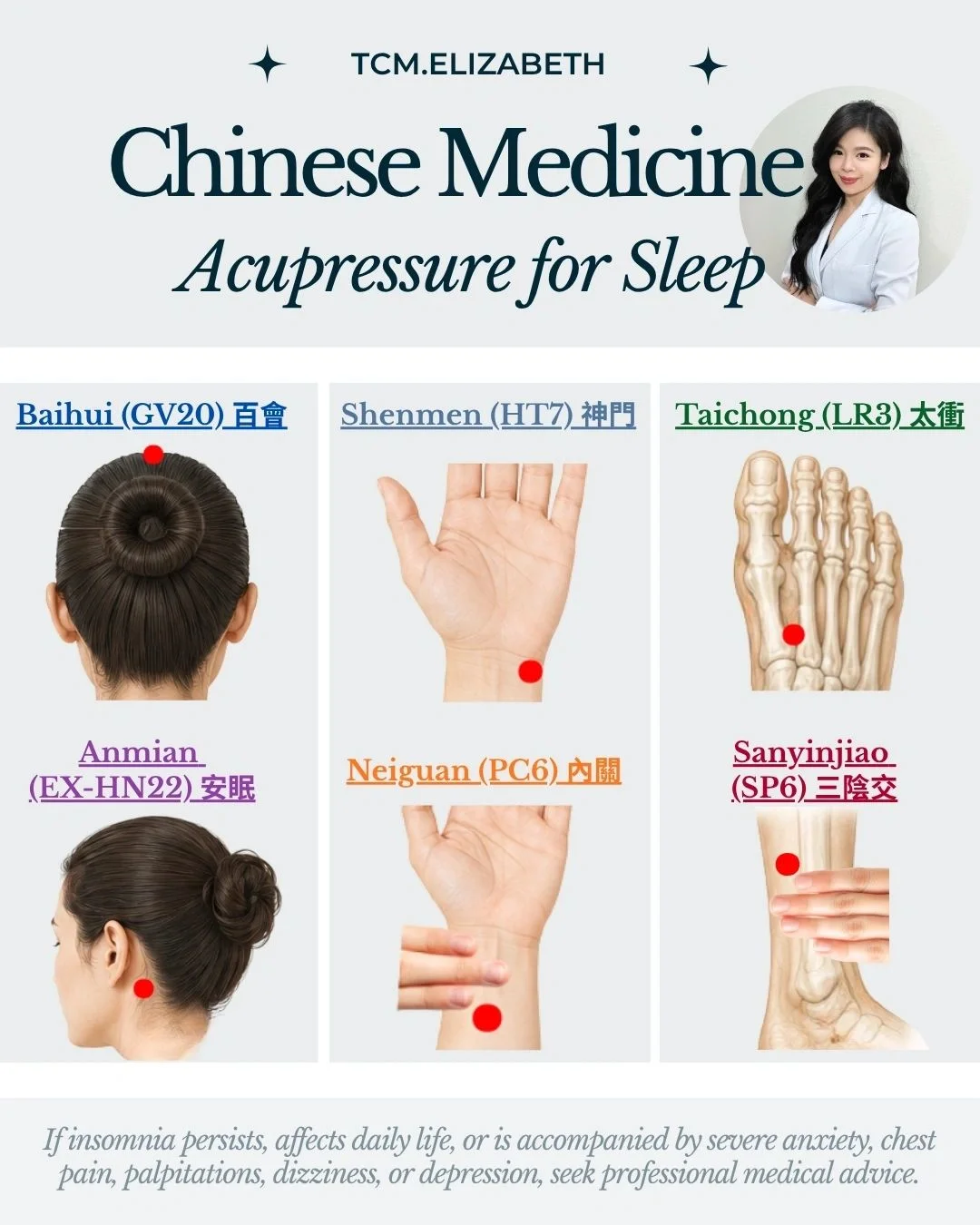
Common Acupressure Points for Relaxation & Sleep Support
Modern lifestyles, stress, anxiety, and irregular sleep schedules can all affect sleep quality. In Traditional Chinese Medicine (TCM), gentle acupressure is believed to help relax
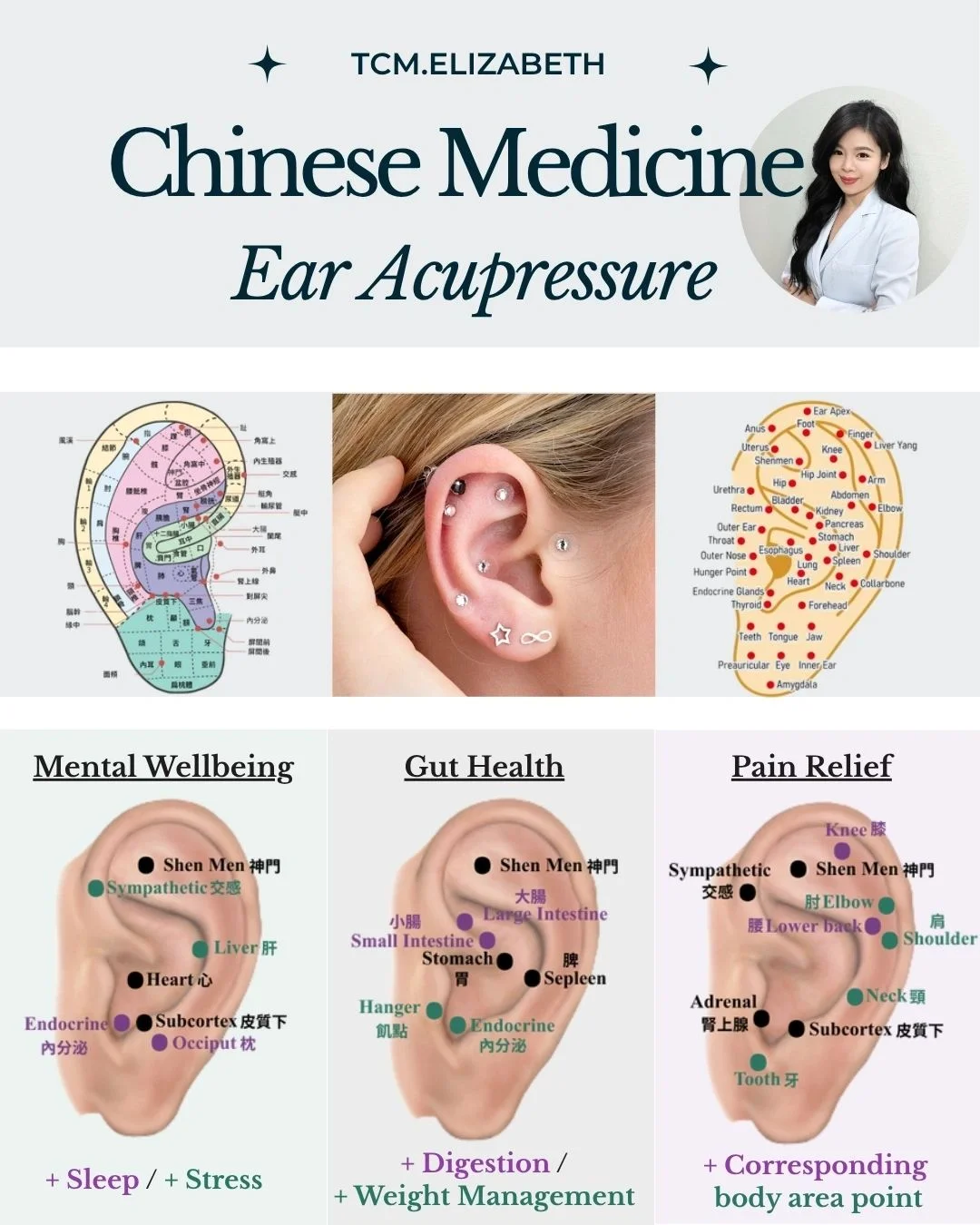
Ear Acupressure Therapy in Chinese Medicine: Sleep, Gut, Pain
Ear Acupressure Therapy, also known as Auricular Therapy or Auriculotherapy, is a Traditional Chinese Medicine (TCM) method that stimulates specific points on the external ear to s
How to Prevent Early Menopause
- Watch for hot flashes, night sweats, vaginal dryness, mood swings, or sleep disturbances